
When traveling through Western Europe, it is impossible to overlook England and France. These countries possess an intriguing history of development not only in culture, painting, and architecture but also rightfully hold leading positions among embroidery enthusiasts.
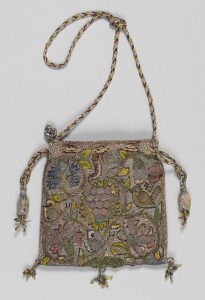
The art of embroidery arrived here around the same time—during the High Middle Ages. Having undergone a process of adaptation, embroidery acquired a unique charm among both the English and the French.
Embroidery: A National Hobby in England
Surprisingly, the passion for needlework in England originated from the church. Throughout Europe in the 16th century, English masters were renowned for their ability to beautifully and perfectly embroider altar cloths, banners, and ecclesiastical vestments. When King Henry VIII severed ties with the Catholic Church in 1534, the demand for this embroidery craft dropped significantly. However, it was at this time that the embroidery of secular clothing for noble lords and their wives intensified, gradually becoming fashionable. By the reign of Queen Elizabeth I, embroidered gowns, vests, doublets, and richly decorated accessories were hallmarks of good taste.
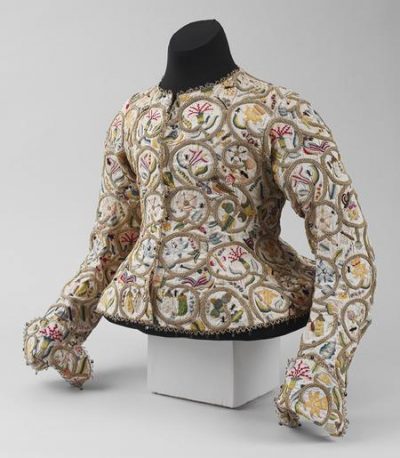
It was customary to teach young girls the basics of embroidery, but there is a slight nuance here: the embroidery technique depended directly on the family's social status. The poor were expected to sew simple patterns and stitches, while wealthy ladies mastered more complex and exquisite designs. High craftsmanship was achieved through diligent work and daily study of the intricacies of the embroidery art.
Despite the fact that it is generally considered a "woman’s pursuit," everyone in England embroiders—men and women, children and adults, professional masters and amateurs alike.
The motifs of traditional English embroidery are quite diverse. They can be conditionally divided into two groups: the first includes flora and fauna, both common and exotic; the second consists of biblical illustrations and portraits of people—both famous figures and ordinary citizens.
Most often, embroidery decorates clothing (women's, men's, and children's), headwear, small handbags, handkerchiefs, and purses.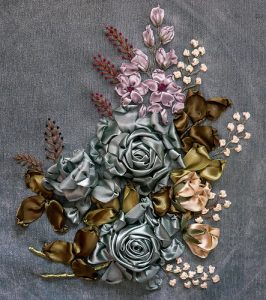
In everyday life, the English also pay great attention to embroidered items. In the typical home of an average provincial, you will find embroidered pillows, bed sheets, vanity table covers, and even frames for paintings and large mirrors. The English love a "soft interior" and use plenty of textiles, so embroidery looks appropriate in any room of a modern home.
The traditions of embroidering wedding attire for English ladies stand apart. An ancient technique is used to decorate wedding gowns: monochrome embroidery. Typically, a floral ornament is stitched with white thread on white fabric, starting from the bodice of the dress and descending to the hem. This monochrome embroidery style was brought to England by Queen Catherine of Aragon, the first wife of Henry VIII. The exquisite style and elegance of this embroidery method suited—and continue to suit—young brides perfectly.
The English honor ancient traditions while incorporating modern motifs into their embroidered patterns.
French Embroidery Traditions
The French are a nation of aesthetes, which is why their embroidery gives the impression of a work of art. Artisans use a myriad of techniques to give their pieces perfection and elegance, infusing them with their own unique chic.
The most common and famous is the "French knot"—a special technique that can be described as sophisticated and romantic.
French fashionistas first saw items embroidered with these knots on goods arriving from China and duly appreciated the taste and skill of Eastern embroiderers. The small embroidered knot eventually became known as the "French knot," becoming an integral part of French culture.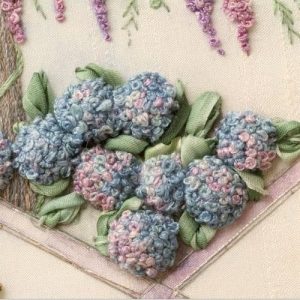
Using this technique, artisans create voluminous, perfect works, capturing the smallest nuances of color and ornament. Modern Parisian women love wearing clothing adorned with knot embroidery, which lends an inimitable charm to their outfits.
Another tradition from the Middle Ages that still appears very contemporary is the art of ribbon embroidery. Since the distant 15th century, it has been customary in France to decorate dresses with bright silk ribbons and precious stones. King Louis XIV, the Sun King, made a significant contribution to the development of ribbon embroidery. His costumes shimmered with gold and silver trim from head to toe, and even his shoes were embroidered.
Today, the French, who love and respect their history, have not forgotten the fashion trends of past centuries. They continue to use ribbons to embroider dresses, blouses, umbrellas, lampshades, hats, paintings, and more.
Embroidery is an art that unites countries and continents, beautifies modern life, and brings joy through the contemplation of beauty.